
English 
T: +86-156-0511-1716
E: hp018@hpcbkj.com
E: hp018@hpcbkj.com
In Fangong Industrial Park, Dongtai Town, Dongtai City


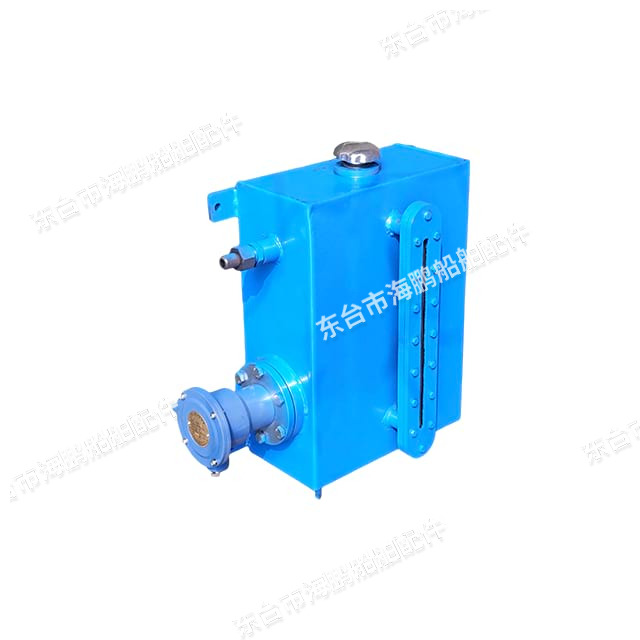

This system keeps the ship's stern shaft lubricated and cool, ensuring smooth operation while reducing wear. The two main types are oil-based and water-based systems. Below we'll cover the oil lubrication setup.
| Quantity: | |
|---|---|


The JT/T365-1995 Stern Shaft Lubrication Oil Tank & Lubrication System is a standard-compliant solution for marine stern shaft lubrication and cooling. It ensures continuous oil supply to stern tube bearings, reduces friction and wear, and extends the service life of stern shaft components. The system is available in oil-based configurations, tailored for vessels with specific lubrication needs.
JT/T365-1995 Standard Compliance: Meets national marine industry standards, ensuring compatibility and safety for domestic and international vessels.
Gravity-Assisted Oil Supply: High-mounted gravity oil tank enables stable oil flow without relying on complex power systems, reducing failure risks.
Dual-Seal Leakage Prevention: Forward seals block oil leakage into the engine room, while aft seals prevent seawater intrusion into the lubrication system.
Simplified Structure for Small Vessels: Some models require no oil pump, lowering installation complexity and maintenance costs for small-to-medium coastal/inland ships.
Model | Capacity (L) | A (mm) | B (mm) | H (mm) | H1 (mm) | d (mm) | Applicable Stern Shaft Diameter (mm) | Weight (Kg) | |
Single Shaft | Dual Shaft | ||||||||
15JT/T365 | 15 | 245 | 370 | 630 | 360 | 15 | ≥70 ≤120 | <70 | 10 |
30JT/T365 | 30 | 245 | 520 | 730 | 460 | 15 | >120 ≤170 | ≥70 ≤120 | 15 |
50JT/T365 | 50 | 285 | 670 | 730 | 460 | 20 | >170 | - | 26 |
Note: Sizes are for reference. Customization is available based on vessel design and user requirements.
Low-Level Alarm Function: The gravity oil tank is equipped with a level sensor that triggers an alarm when oil levels are too low, preventing lubrication failure.
Dual-Pump Adaptability: Supports hand pumps (for small vessels) and electric pumps (for large ships), matching different vessel power configurations.
Closed-Loop Oil Circulation: Used oil returns to the storage tank via the return pipe, filtering impurities and reducing oil waste (when paired with filters).
Real-Time Monitoring: Integrates temperature and pressure sensors to track oil conditions, enabling timely adjustments to avoid overheating or pressure anomalies.
Vessels with Draft ≤10m: Optimized for shallow-water operations (e.g., inland cargo ships, small fishing boats), ensuring stable lubrication under limited draft conditions.
Small Coastal Vessels (Yachts/Fishing Boats): Pump-free design (for 15JT/T365/30JT/T365 models) simplifies installation, saving space and reducing maintenance needs.
Medium-Sized Cargo Ships: Electric pump configuration provides high-efficiency oil supply, supporting long-distance voyages and heavy-load operations.
River Passenger Vessels: Closed-loop circulation reduces oil replacement frequency, lowering operational costs and environmental impact.
Gravity Oil Tank: Mounted at a high position to utilize gravity for oil delivery; includes a sight glass for oil level observation and a low-level alarm.
Oil Pump:
Hand Pump: Manual operation for emergency oil supply or small vessels with low lubrication demands.
Electric Pump: Automatic operation for large ships, with overload protection to prevent pump damage.
Piping System:
Inlet Pipe: Delivers clean oil from the gravity tank to stern tube bearings, with a filter to remove impurities.
Return Pipe: Transports used oil back to the storage tank, equipped with a one-way valve to avoid oil backflow.
Sealing Device:
Forward Seal: Installed near the engine room to prevent lubricating oil from leaking into the engine compartment.
Aft Seal: Located at the stern tube outlet to block seawater from entering the lubrication system and causing oil contamination.
Monitoring Equipment: Temperature sensors (track oil temperature) and pressure gauges (monitor oil supply pressure) with digital displays for easy crew monitoring.
Oil Supply Stage: The oil pump transfers oil from the storage tank to the gravity oil tank; the gravity tank maintains a stable oil level via the low-level alarm.
Lubrication & Cooling Stage: Gravity drives oil from the gravity tank through the inlet pipe to the stern tube, where it forms a protective oil film between the stern shaft and bearings—reducing friction and absorbing heat.
Oil Recovery Stage: Used oil (after lubrication) flows back to the storage tank via the return pipe, completing the circulation loop.
Sealing Protection: Forward and aft seals work together to prevent oil leakage and seawater intrusion, ensuring the purity and efficiency of the lubrication system.
Oil Quality Inspection: Test oil viscosity, water content, and pH every 3 months; replace oil immediately if degradation (e.g., emulsification, discoloration) is detected.
Oil Level Monitoring: Check levels in the gravity tank and storage tank daily; top up with the same brand of oil as the main engine (per standard requirements) when levels are low.
Seal Inspection: Inspect forward/aft seals monthly for oil seepage or seawater leakage; replace worn seals promptly to avoid system damage.
Equipment Cleaning: Clean the gravity tank, oil pump, and filters every 6 months to remove sludge and impurities that affect oil flow.
Standard Certification: Provides JT/T365-1995 compliance certificates and third-party testing reports to meet vessel classification society requirements (e.g., CCS, ABS).
Custom Tank Design: Adjusts tank capacity, dimensions, and piping layout according to vessel stern structure and lubrication system integration needs.
Training Services: Offers on-site or online training for crew on system operation, maintenance, and emergency troubleshooting.
Spare Parts Package: Provides a customized spare parts kit (e.g., seals, filters, pump components) for quick replacement during voyages.


