

Views: 125 Author: Site Editor Publish Time: 2026-10-06 Origin: Site


Gravity-fed and pressurized lubrication setups stand as the final defense against catastrophic white metal bearing failures. They ensure smooth propeller rotation while maintaining strict environmental compliance on modern commercial vessels. Vessel operators face mounting pressure to optimize mechanical reliability constantly. A failing propulsion component strands cargo and endangers crew safety immediately.
Inadequate hydrostatic pressure introduces severe operational risks to your entire vessel infrastructure. Oil starvation degrades bearing surfaces rapidly during normal transit. Meanwhile, seal breaches invite seawater ingress or allow toxic leaks into delicate marine ecosystems. These breaches trigger massive fines and extended port detentions. Fleet managers simply cannot ignore these vulnerabilities.
This guide provides technical buyers, marine superintendents, and chief engineers a practical evaluation framework. You will learn how to properly size, install, and maintain a highly reliable fluid reservoir assembly. We aim to equip you with actionable technical knowledge. You can apply these principles immediately for safer, more efficient sailing operations.
Hydrostatic Balance: The primary function of the tank is to maintain oil pressure slightly above external seawater pressure to prevent ingress.
Sizing Variables: Proper tank sizing relies on vessel draft variations, total stern tube volume, and class society regulations (e.g., DNV, ABS).
Seal Integration: Compatibility with the oil lubricated stern shaft seal dictates the number of header tanks (aft vs. forward seals) required.
Redundancy: Specifying a stern shaft oil tank with hand pump ensures manual override capabilities during power losses or localized pump failures.
A properly configured header unit establishes crucial static head pressure. This pressure pushes lubricating fluid down into the main stern tube continuously. It lubricates the heavily loaded bearings supporting your massive propeller shaft. The continuous fluid flow also cools vital friction zones effectively. Heat generation naturally occurs during prolonged shaft rotation. Managing this heat proactively prevents severe white metal bearing damage.
You must carefully balance internal fluid pressure against external seawater pressure. A delicate equilibrium dictates overall system health. Over-pressurization pushes fluid past the outboard barrier. This action risks severe environmental compliance violations under VGP frameworks. Under-pressurization creates an equally dangerous scenario for your crew. External water pressure overcomes the aft barrier entirely. Seawater then mixes into the internal chamber. This process emulsifies the fluid and destroys its essential lubricating properties.
The header unit serves as the functional heart of your broader stern shaft lubrication system. It interacts continuously alongside associated piping networks, specialized coolers, and large circulation pumps. It acts as a dedicated buffer connecting forward and aft sealing components. Engineers must position it precisely to ensure seamless gravity-fed operation across all voyage conditions.
This fluid buffer acts as a defensive shield against outside elements. Marine environments present harsh operating conditions continuously. Sand, debris, and marine growth constantly threaten rotating components. Consistent outward pressure from the header reservoir pushes clear fluid against these external threats. It flushes away microscopic debris before it permanently damages the delicate bearing faces.
Calculating usable volume demands precise engineering data from the shipyard. You cannot rely on guesswork or outdated estimations. Industry rules of thumb suggest a specific safety baseline. The unit must hold sufficient reserve capacity for 24 to 48 hours of normal leakage. You must also factor in a generous expansion allowance. Heat causes fluids to expand significantly during peak engine loads.
Installation height directly influences operational success. You measure this elevation relative to the vessel deep load line and ballast draft. The static head must overcome external water pressure at any given draft. Extreme draft variations complicate this engineering requirement substantially. Very Large Crude Carriers (VLCCs) and large bulkers face massive draft changes between loaded and ballast states. These vessels explicitly require dual-tank configurations. High units serve deep draft conditions. Low units handle shallow ballast conditions safely.
Thermal expansion requires a dedicated sizing buffer during the design phase. The shaft assembly reaches high operating temperatures during long voyages. The internal fluid volume naturally expands as it absorbs friction heat. An undersized unit will overflow into the bilges. This spillage causes false alarms and wastes expensive synthetic lubricants. Engineers typically add a 10% to 15% volume buffer strictly for thermal expansion accommodation.
Calculations must account for maximum operational extremes globally. A vessel sailing through freezing arctic waters experiences different fluid dynamics than one in the tropics. Cold temperatures increase fluid viscosity significantly. Heavy grade fluids move sluggishly during winter cold starts. The piping diameter must accommodate these heavier fluids without restricting gravity feed. Engineers calculate friction losses along the entire pipe run carefully.
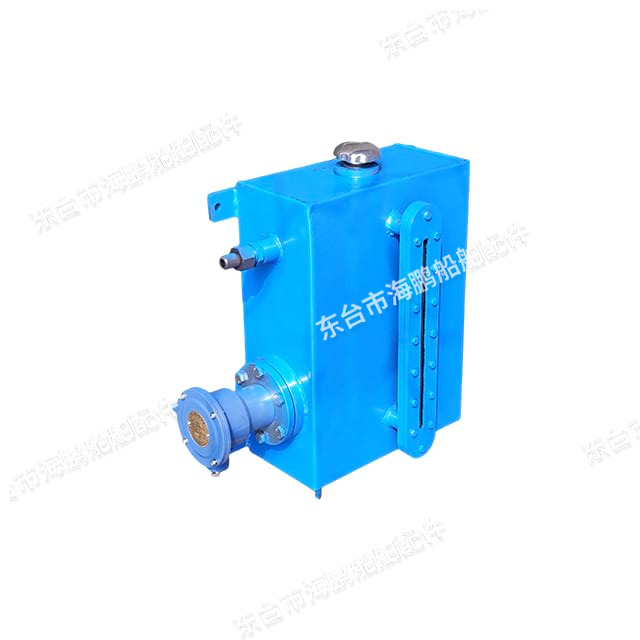
Modern commercial vessels require robust level monitoring and alarm networks. You must install reliable low-level and high-level float switches inside the main reservoir. These critical sensors integrate directly into the Engine Control Room (ECR). Early warning alerts give the engineering crew valuable time to react. They can address minor pipe leaks before they escalate into catastrophic propulsion failures mid-ocean.
Manual redundancy adds an essential mechanical safety layer. Specifying a stern shaft oil tank with hand pump provides immediate override capabilities. Automated electric transfer pumps occasionally fail without warning. Complete power blackouts happen during critical harbor maneuvers. A manual mechanism allows engineers to top up fluid levels instantly. It also proves invaluable during routine dry-dock testing procedures. The crew can manually pressurize the lines without running massive main ship generators.
You must prioritize sampling and drain valves during the specification phase. Install durable drain valves at the absolute lowest point of the reservoir structure. Water remains inherently heavier than most lubricating fluids. Any condensation or seawater ingress settles directly at the bottom. Lowest-point valves allow engineers to perform daily water-in-oil checks easily. They also facilitate scheduled laboratory sampling protocols required by classification societies.
Routine visual inspections depend heavily on clear exterior sight glasses. Heavy vibration naturally occurs near massive propulsion machinery. Flimsy glass components shatter easily under these continuous forces. Utilizing shatterproof polycarbonate or armored glass prevents accidental fluid dumps into the lower bilge.
Component Name | Primary Technical Function | ECR Integration Required? | Maintenance Frequency |
|---|---|---|---|
Float Switches | Trigger high/low volume electronic alarms | Yes | Quarterly |
Manual Override Pump | Provide manual pressurization during blackouts | No | Monthly |
Lowest-Point Drain Valve | Facilitate daily water presence checks | No | Daily |
Armored Sight Glass | Allow instant visual fluid level verification | No | Daily |
Header setups differ fundamentally based on specific seal architecture. Forward lubrication requires different pressure parameters than aft balancing. The forward setup generally handles stable internal atmospheric conditions. The aft setup faces highly dynamic external seawater pressure. Aft setups often utilize multiple distinct tanks mounted at varying elevations. This specific variation accommodates different vessel drafts and maintains consistent differential pressure.
You must evaluate your oil lubricated stern shaft seal strictly for chemical fluid compatibility. Modern environmental regulations push global fleets toward Environmentally Acceptable Lubricants (EALs). EALs interact very differently with standard synthetic rubber. Fluorocarbon or traditional Viton lips often degrade rapidly if paired with incompatible EAL formulations. The header unit itself must feature internal coatings completely resilient against these specific chemical makeups.
Fluctuating fluid levels serve as a highly accurate early warning mechanism. Gradual reservoir drops indicate normal rubber lip wear over time. Sudden drops signal major mechanical trouble immediately. A rapid loss often points to catastrophic aft lip failure. Fishing net entanglement frequently causes this specific damage. The stray nets wrap tightly around the rotating shaft and slice through the protective rubber barriers.
A common operational mistake involves ignoring chemical compatibility during shipyard retrofits. Crews often accidentally mix residual mineral fluids with new synthetic EALs. This incompatible mixture creates thick, destructive sludge. It clogs narrow fluid pathways and destroys newly installed lip barriers. Always flush the entire piping network thoroughly before introducing new fluid types.
Vessel mechanical reliability demands highly disciplined maintenance routines. Chief engineers must implement strict, unyielding inspection schedules. We highly recommend dividing these critical tasks into daily, monthly, and extensive dry-dock intervals.
Log current fluid levels under specific RPMs and present draft conditions.
Perform bottom-drain checks specifically looking for separated free water.
Monitor the fluid color closely for cloudy emulsions indicating moisture contamination.
Wipe down exterior sight glasses to ensure totally clear visibility.
Test low-level alarms physically and verify correct ECR panel integration.
Verify manual pump suction power and overall isolation valve integrity.
Inspect inline non-return valves to prevent accidental fluid backflow.
Conduct professional laboratory analysis targeting viscosity, water content, and microscopic wear particles.
Check structural mounting brackets for loosening due to prolonged engine vibration.
Drain the main reservoir completely for deep interior cleaning and hardened sludge removal.
Perform rigorous hydrostatic pressure testing on all associated delivery piping.
Replace aged exterior sight-glass gaskets proactively.
Coordinate official class society validation for any recent system piping modifications.
Engineers should document these specific readings meticulously in the official engine room logbook. Consistent data entry reveals long-term mechanical wear trends clearly. A sudden, unexplained spike in daily consumption warns of impending catastrophic failure. Early detection saves ship owners massive dry-docking repair bills.
Selecting the right equipment supplier minimizes long-term operational headaches dramatically. You should evaluate maritime vendors based on strict, unforgiving technical parameters. Global supply chains demand rapid spare parts availability everywhere.
First, demand recognized class society approvals unconditionally. The procured equipment must carry necessary type approvals from prominent IACS members. Recognized authoritative bodies include DNV, ABS, LR, and BV. These stamped certificates guarantee baseline engineering safety and global insurance compliance.
Second, review material manufacturing specifications thoroughly. Minimum structural requirements dictate robust, thick steel plating. Sight glasses must utilize certified shatterproof materials exclusively. All external metal fittings require specialized marine-grade, highly corrosion-resistant treatments.
Third, assess actual shipyard retrofit capabilities. Installing bulky new equipment into an existing marine shaft system presents major spatial challenges. Limited dry-dock repair windows demand true plug-and-play adaptability. The chosen supplier should offer flexible mounting brackets and modular piping tie-ins.
Finally, demand comprehensive technical documentation before placing a final order. You need highly accurate General Arrangement (GA) drawings. Certified mill certificates prove raw material quality definitively. Detailed operational manuals ensure your engineering crew understands the new equipment fully.
A properly sized and meticulously maintained stern shaft lubrication oil tank serves as a low-cost, high-leverage mechanical safeguard. It actively prevents million-dollar bearing replacements and catastrophic environmental pollution fines. Routine visual checks and strict laboratory fluid analysis keep your propulsion reliable. Precise engineering calculations ensure steady gravity feed regardless of vessel draft.
Marine superintendents and naval architects should proactively audit their current fluid capacities today. Modern EAL transitions often expose outdated, undersized reservoir limitations rapidly. Contact specialized marine engineering firms to discuss custom sizing calculations. Securing Class-approved system designs early prevents unexpected operational delays during your next scheduled dry-dock period.
A: Normal thermal expansion causes minor daily level changes as internal fluid heats and cools. However, abnormal fluctuations often indicate serious mechanical issues. Seal lip wear gradually increases fluid loss rates over time. Excessive draft changes also alter pressure equilibrium, causing temporary level shifts. Sudden, erratic drops usually point to severe aft barrier damage or failing transfer pumps causing deep cavitation. Always investigate irregular drops immediately.
A: The exact required figure depends heavily on your specific vessel draft profile. Generally, marine engineers aim to maintain an internal pressure of 0.2 to 0.3 bar strictly above the external seawater pressure at the main shaft centerline. This slight over-pressurization physically prevents seawater from breaching the aft lips while ensuring sufficient outward flow to lubricate the friction zones properly.
A: Yes, you can successfully retrofit a manual override mechanism to older header units. You must ensure the new piping tie-ins feature highly appropriate isolation valves. Quality non-return valves are also strictly required. These critical components prevent accidental fluid backflow from the main reservoir into the manual pump chamber. Always consult your class society surveyor before modifying pressurized lubrication lines.
A: EALs possess very different water-separation characteristics compared to traditional mineral oils. They often emulsify intruding water much more aggressively. This chemical behavior requires engineers to perform bottom-drain checks much more frequently. EALs can also degrade standard rubber components rapidly. You must upgrade sight-glass gaskets and internal seals to EAL-compatible materials like Viton to prevent premature chemical leaks.


